Write to us
NSIT IBOMLOCAL GOVERNMENT AREA

ABOUT NSIT IBOM

A Place. A People. A Shared Future.

Nsit Ibom is a local government area shaped by its communities, its heritage and the everyday work of the people who call it home.

WHERE WE ARE

Nsit Ibom at a Glance

Nsit Ibom Local Government Area is part of Akwa Ibom State in southern Nigeria, with its headquarters at Afaha Offiong. It is a community defined not simply by administrative boundaries, but by the people, settlements and institutions that give the area its character.

Across its communities, everyday life is connected to agriculture, education, healthcare, commerce, public institutions and community relationships.

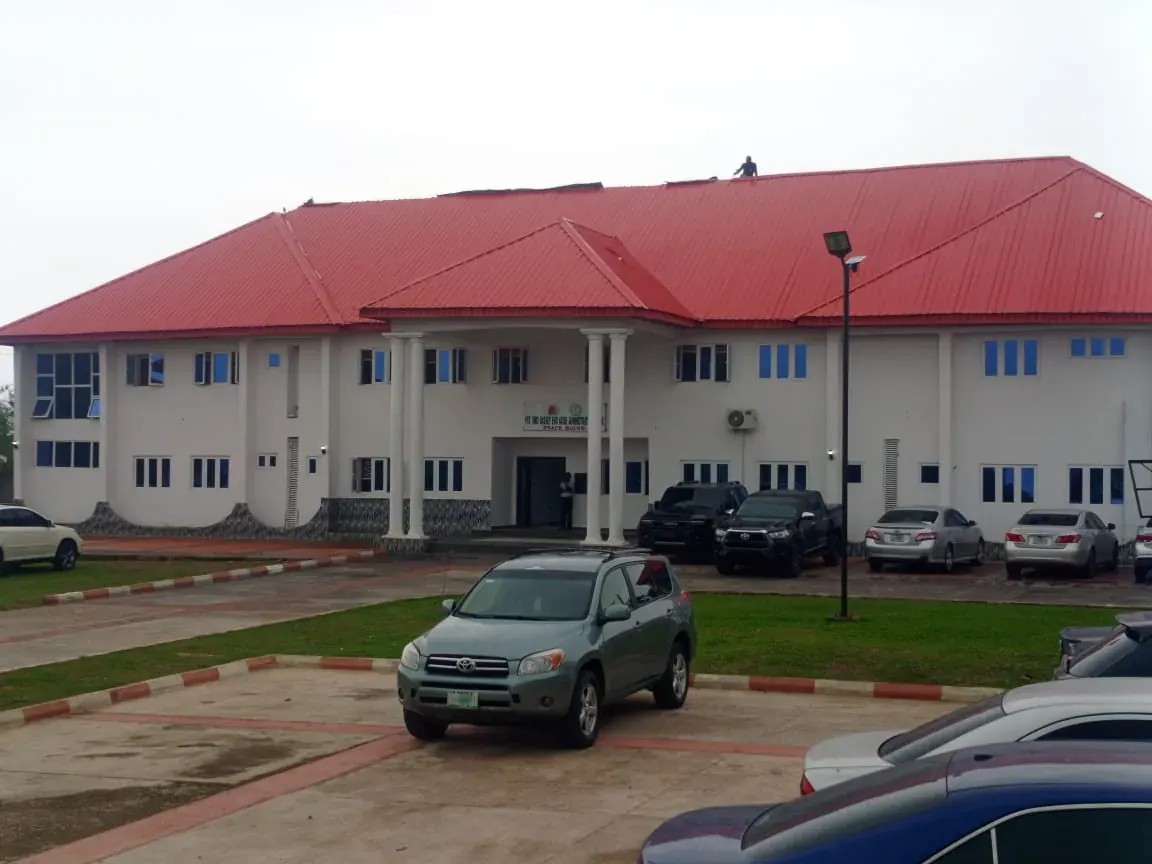
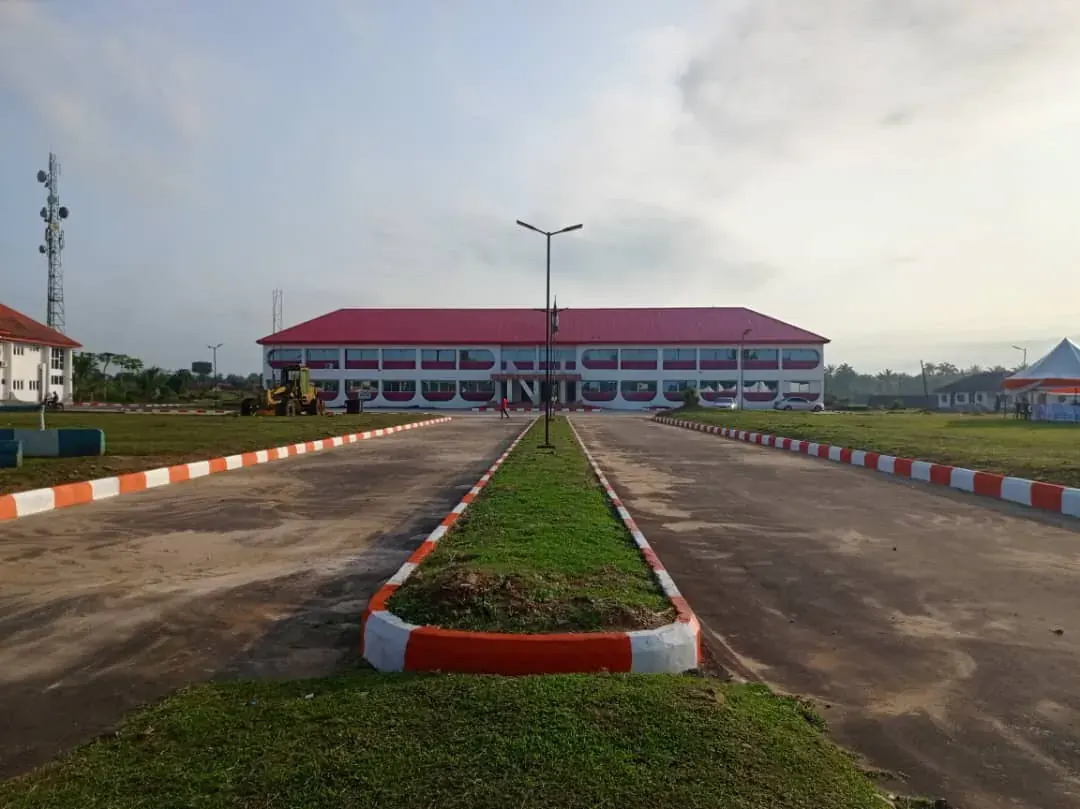
The Nsit Ibom Local Government Council Secretariat building
1991
Became a local government area, in September 1991
11
Wards: Asang Ward 1–5 and Mbiaso Ward 1–6
60
Villages, as counted in the State Edict
2
Clans: Asang and Mbiaso
109 km²
Land area
108,095
People counted at the 2006 national census
Afaha Offiong
Headquarters of the Council
“Forest”
The meaning generally given for the name Nsit

WHERE NSIT IBOM SITS

In the Heart of Akwa Ibom.

Nsit Ibom lies in central Akwa Ibom State, sharing its northern edge with Uyo, the state capital. Its centre is about 14 kilometres south of Uyo.

Map of Akwa Ibom State's 31 local government areas, with Nsit Ibom highlighted in gold at the centre of the state, Uyo to its north, Etinan to its west, Ibesikpo Asutan to its east and Nsit Ubium to its south.
Tap the map to open the real locationOpen in Google Maps

Shares its borders with

Approximate length of each shared boundary

Coordinates
4.91° N, 7.88° Ecentre of the area
Postcodes
522106 · 522110Mbiaso Clan · Asang Clan
People
Ibibiolanguage, culture and heritage
Seasons
Wet April–October, dry November–March23–31 °C across the year, statewide

OUR STORY

From History to Local Government

The avenue leading up to the Council Secretariat

Nsit Ibom became a local government area in September 1991, forming part of the continuing development of local administration in Akwa Ibom State.

The story of Nsit Ibom is also a story of communities. Long before modern administrative structures, people lived, worked, traded, raised families and maintained cultural traditions across the area.

Today, local government provides an administrative structure through which public services, community development and local representation can be organised closer to the people.

THE PEOPLE

Rooted in Community

At the heart of Nsit Ibom are its people.

Families, farmers, traders, students, artisans, professionals, community leaders and young people all contribute to the character and development of the local government area.

Community remains an important part of local life. The strength of Nsit Ibom is found not only in its institutions, but in the relationships and shared responsibilities that connect its communities.
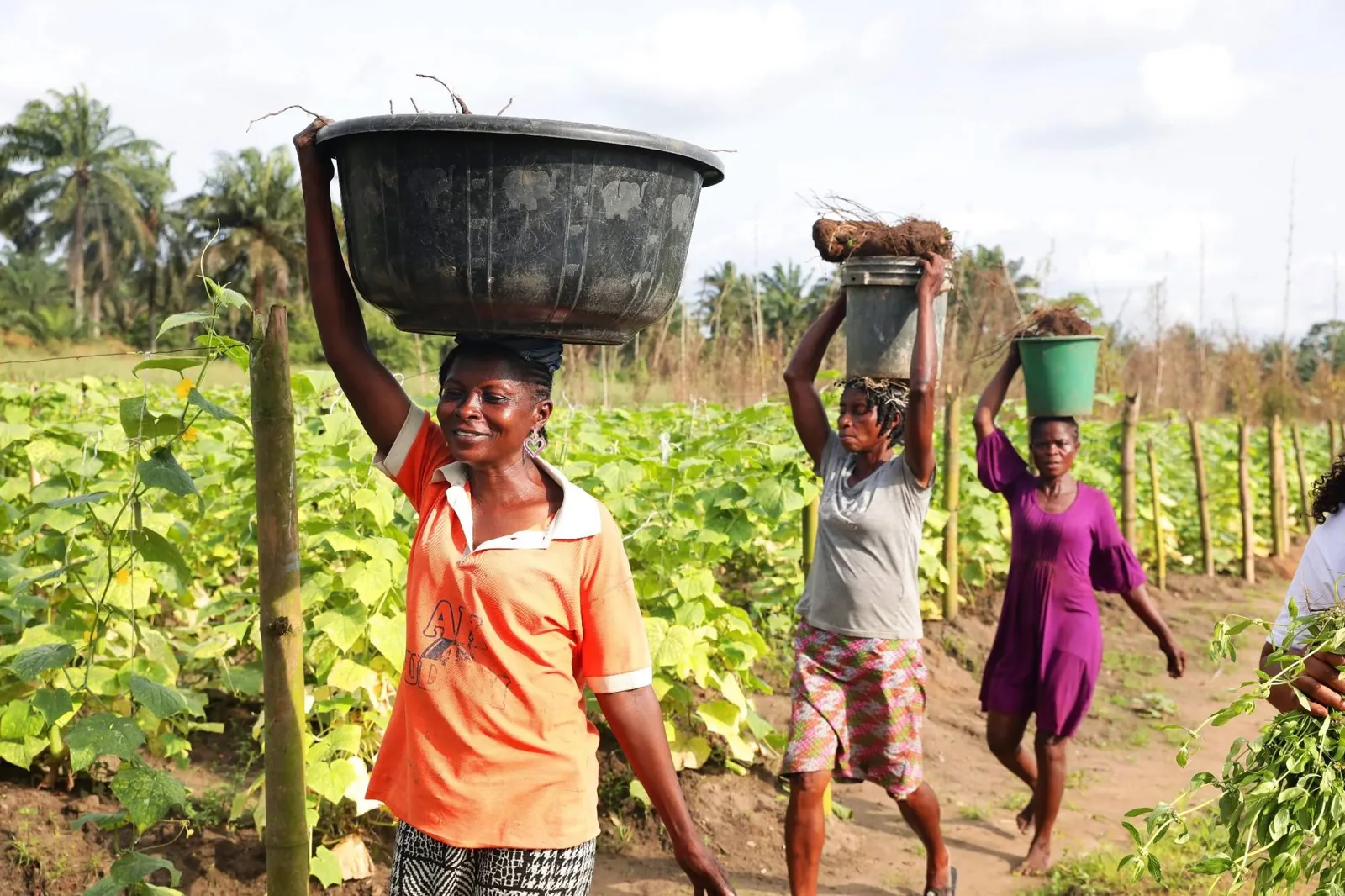
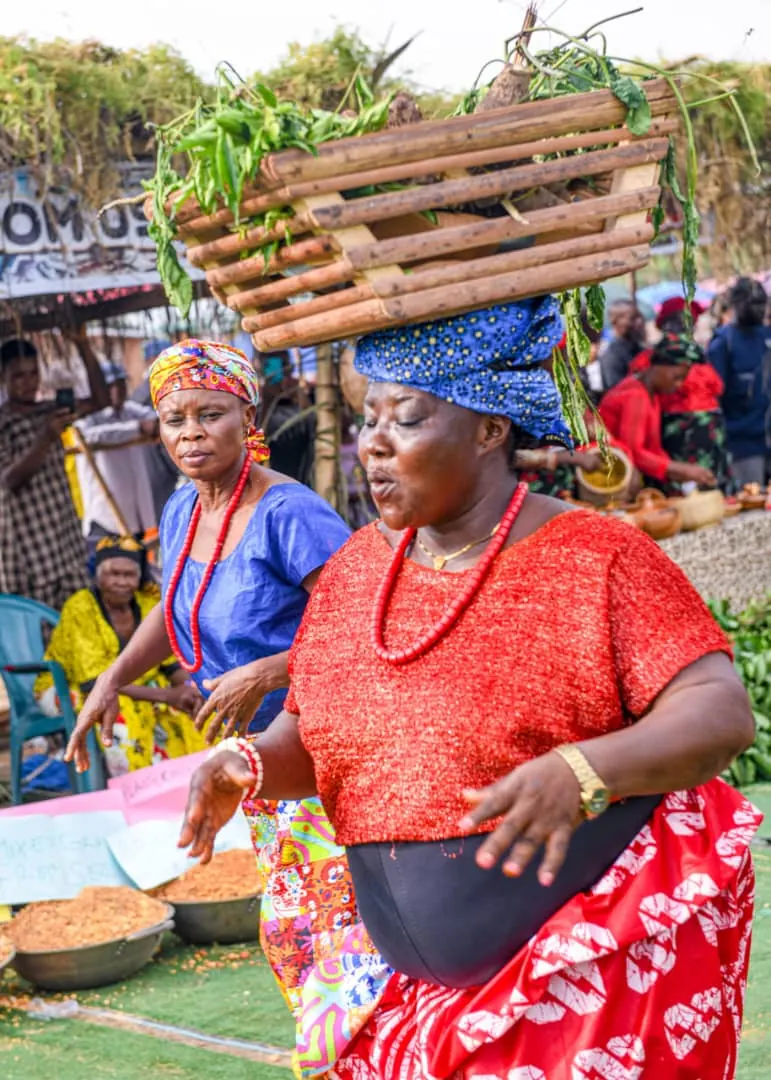
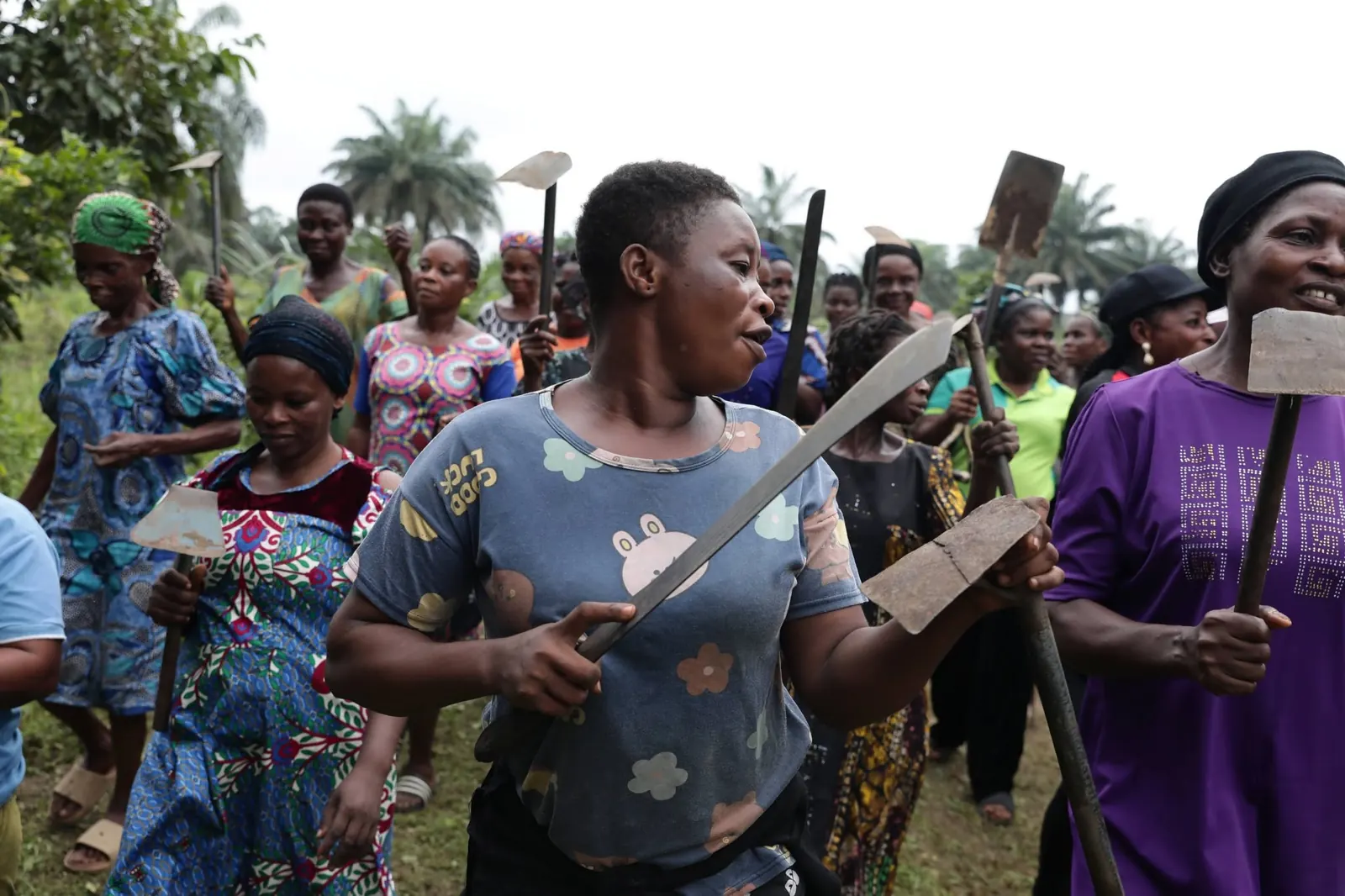
Women of Nsit Ibom carrying the harvest home from the farm

CULTURE & HERITAGE

A Living Heritage

Nsit Ibom forms part of the wider Ibibio cultural landscape of Akwa Ibom State.

Culture is carried through language, food, music, dance, community traditions, ceremonies and stories passed between generations.

Traditional cultural expressions such as Ekpo remain part of the wider heritage of the Ibibio people and help connect contemporary community life with generations of cultural memory.

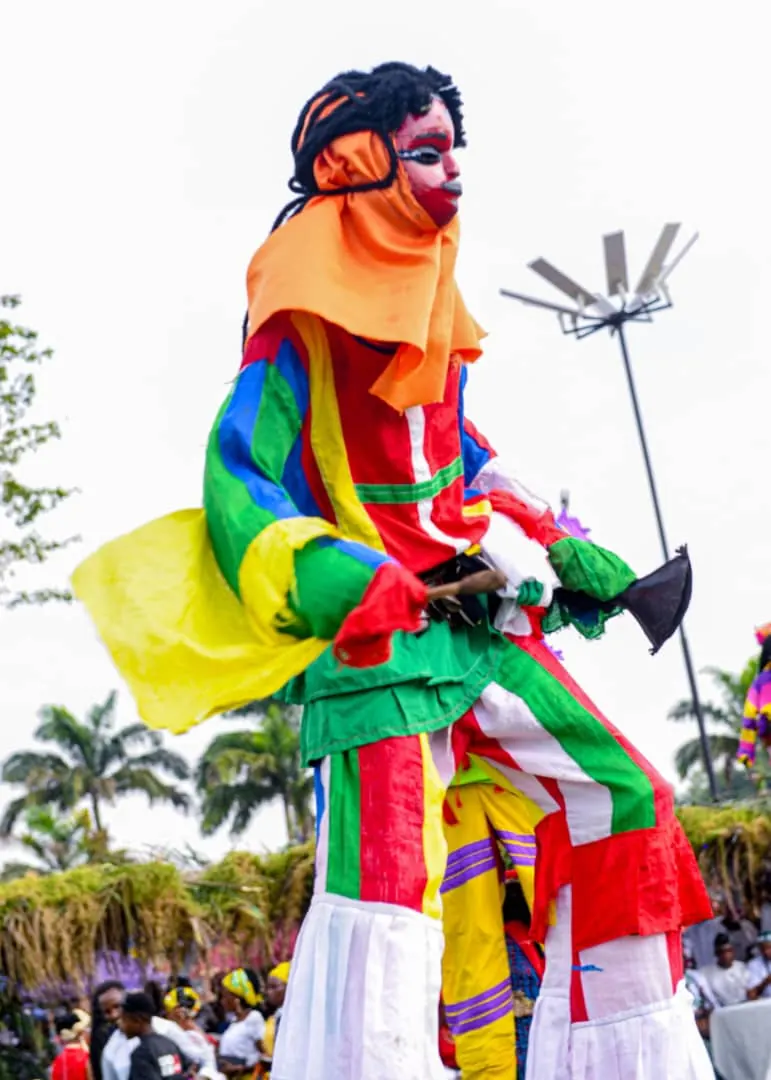
A masquerade dancer in full costume

Dance & Tradition

Dance and Tradition

Dance is at the heart of Nsit Ibom life. The Ekpo masquerade, the Ekong warrior dance and the graceful Abang and Asian Uboikpa dances of young women come alive at festivals, new yam celebrations, weddings and community gatherings, with performers in bright costume and masked dancers on stilts.

Food

Food of Nsit Ibom

Food in Nsit Ibom comes from its own farms: cassava, yam, cocoyam, plantain, palm fruit and fresh leafy vegetables. Favourites include afang and edikang ikong soups, atama soup, abak (palm fruit) soup and ekpang nkukwo, cocoyam wrapped in leaves, served with fufu or pounded yam and shared from wooden bowls at family and community gatherings.

THE LAND

A Productive Landscape

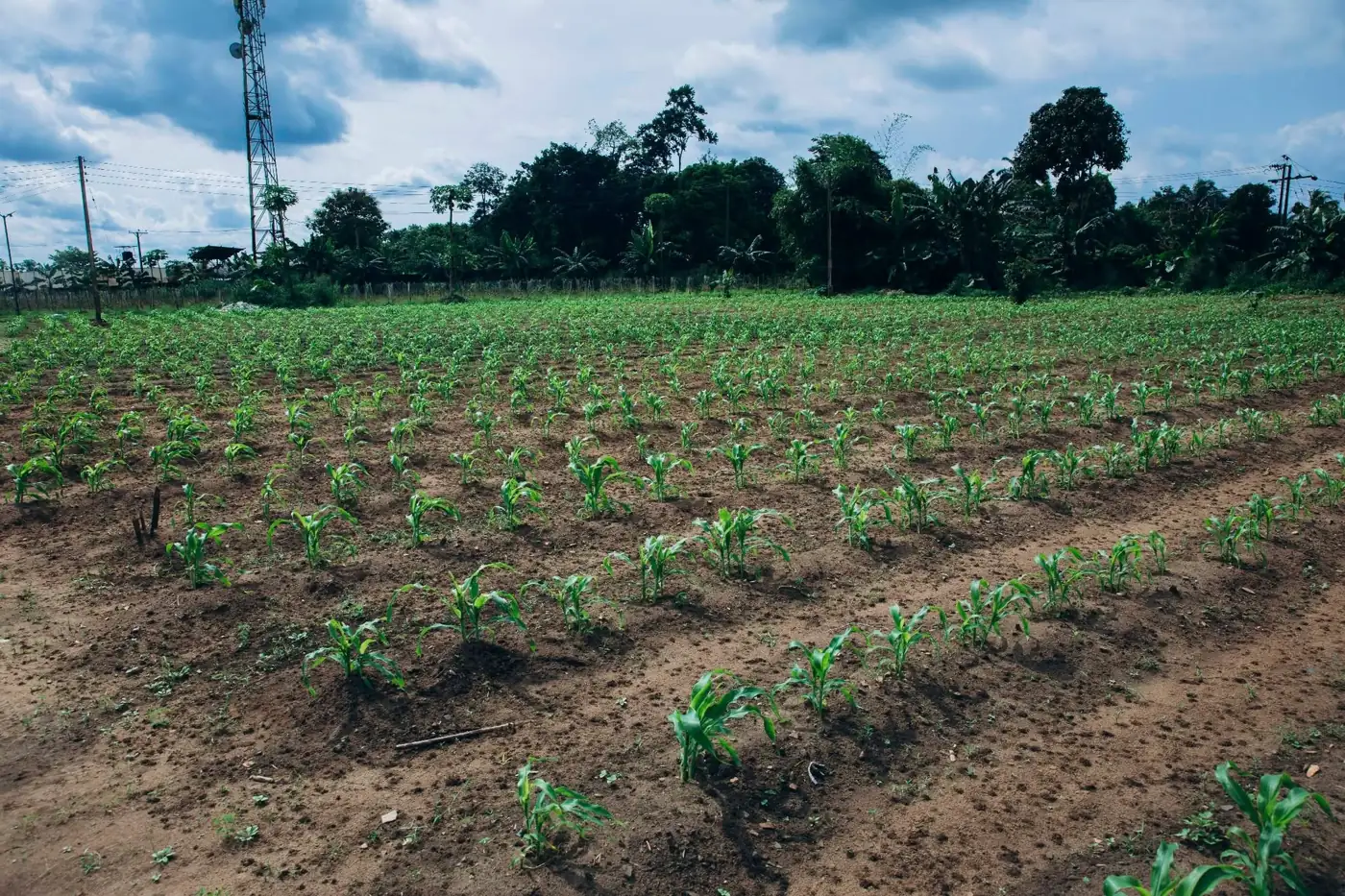
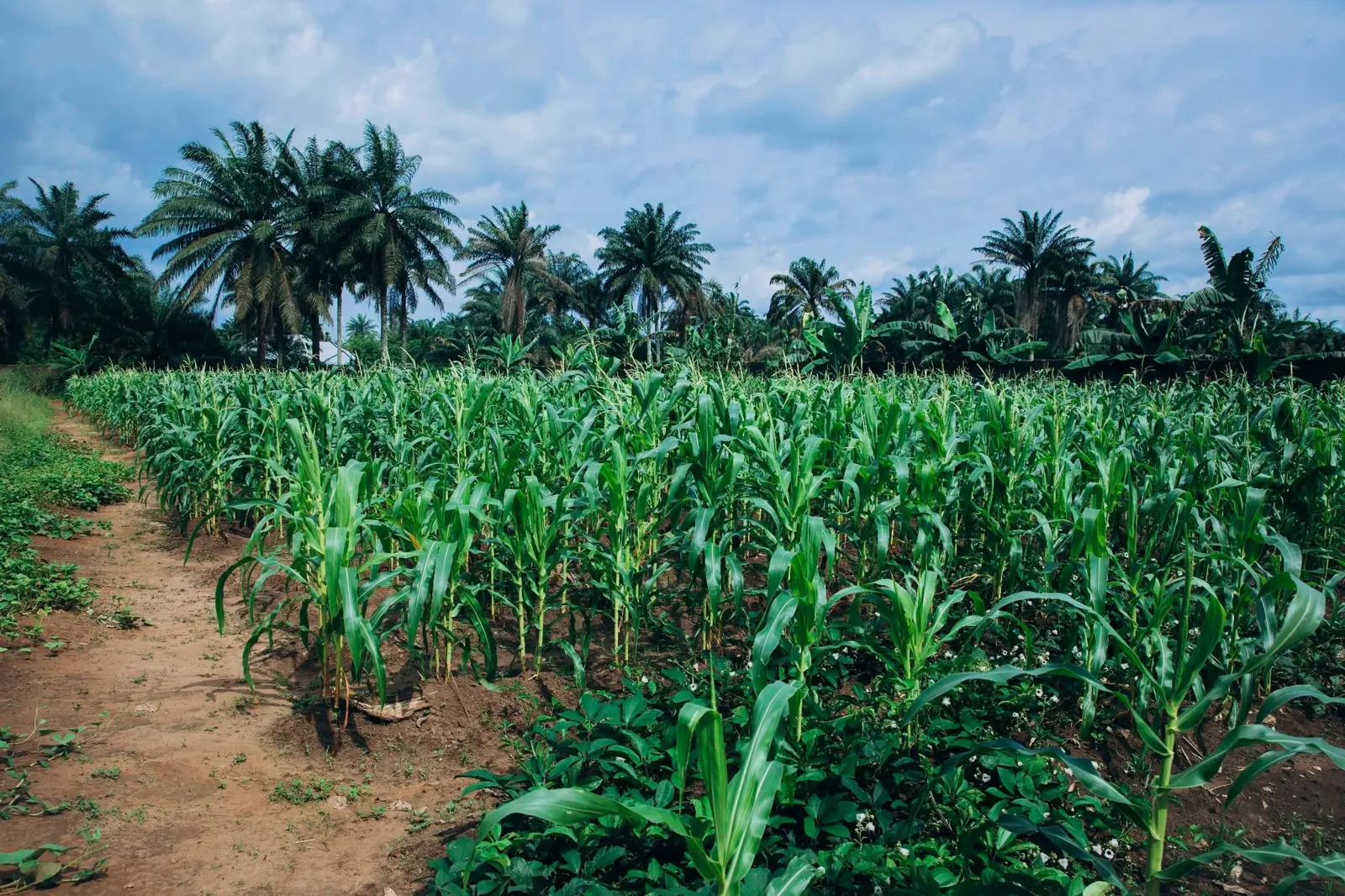
The land supports a range of agricultural activity and natural resources.

Agriculture remains closely connected to community life, and the land also holds mineral resources. What it produces is set out below.

This productive base creates opportunities for farming, trade, processing and other forms of local enterprise.

THE LAND AND ITS RESOURCES

What Nsit Ibom produces.

From the oil palm on its farmland to the gravel and salt beneath it, these are the resources the daily economy of Nsit Ibom is built on.

  • Major crop

    Oil Palm

    Oil palm runs through the farmland of Nsit Ibom, giving palm oil, palm kernel and palm wine for local use and trade.

  • Mineral resource

    Gravel

    Gravel deposits in the area supply building and road construction.

  • Mineral resource

    Sodium Chloride

    Common salt is among the area's mineral resources; its extraction and processing provide local work.

  • Food crop

    Cassava

    A staple of Nsit Ibom's farms, grown for the family table and for the market.

  • Food crop

    Yam & Cocoyam

    Yam, water yam and cocoyam are grown on Nsit Ibom's farmland alongside cassava and plantain.

  • Animal farming

    Livestock

    Livestock is reared alongside crop farming, adding to household food and income.

  • Craft

    Mat Weaving

    Woven mats are among the products of Nsit Ibom's farms and homes.

Also grown across Nsit Ibom's farmland:
  • Maize
  • Plantain
  • Banana
  • Vegetables
  • Fruits
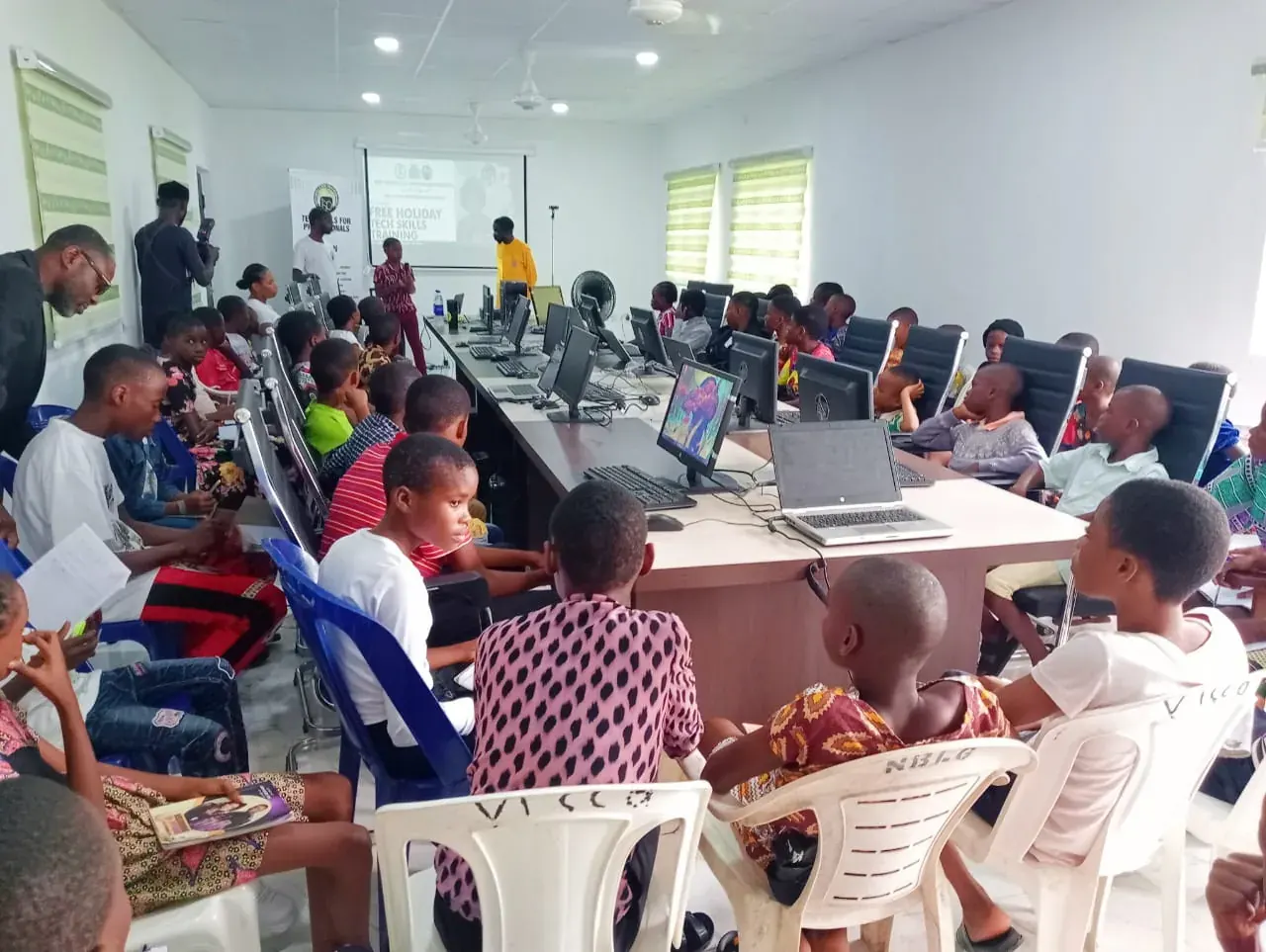
Young people at computers during free holiday ICT training

EDUCATION

Building Knowledge

Education is an important part of community development.

Schools and learning institutions across Nsit Ibom provide spaces where children and young people develop the knowledge and skills needed for their future.

The area is also connected to wider educational development in Akwa Ibom State, including the evolution of institutions serving the people of the state.

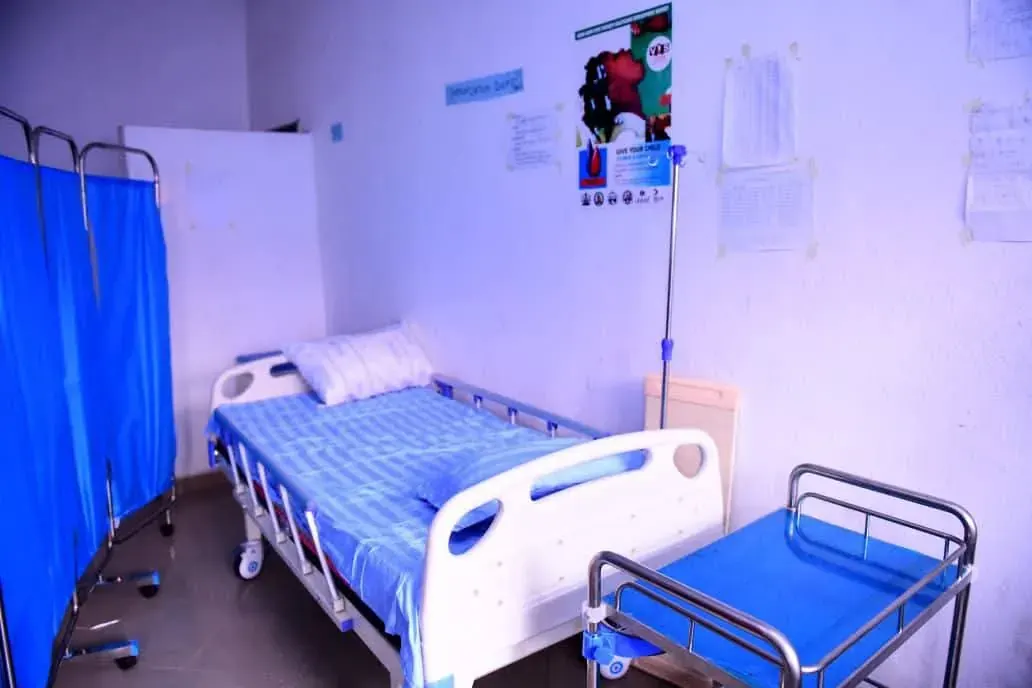
A ward with new beds in a primary healthcare centre

HEALTHCARE

Care Within the Community

Access to healthcare is an important part of everyday community wellbeing.

Primary healthcare facilities provide essential points of care within communities, helping residents access health services closer to where they live.

Strengthening healthcare infrastructure, equipment and access remains an important part of building healthier communities.

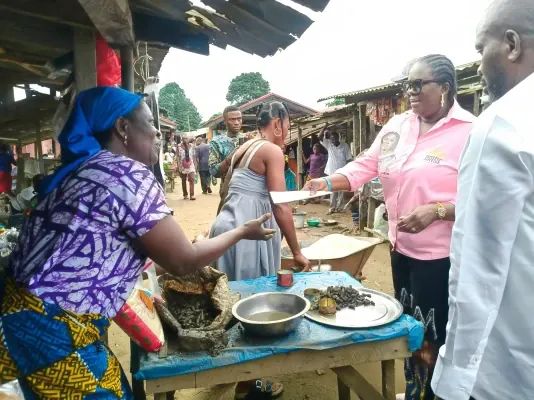
Traders and residents at a local market stall in Nsit Ibom

COMMUNITY & PUBLIC LIFE

Life at the Local Level

Local government is where many aspects of public administration meet everyday community life.

Roads, public facilities, local services, community concerns and development priorities all connect government to the places where people live and work.

Effective local administration therefore depends not only on institutions, but also on communication between government and the communities it serves.

NSIT IBOM TODAY

A Local Government in Motion

Nsit Ibom continues to evolve through public infrastructure, community development, agriculture, education, healthcare and local administration.

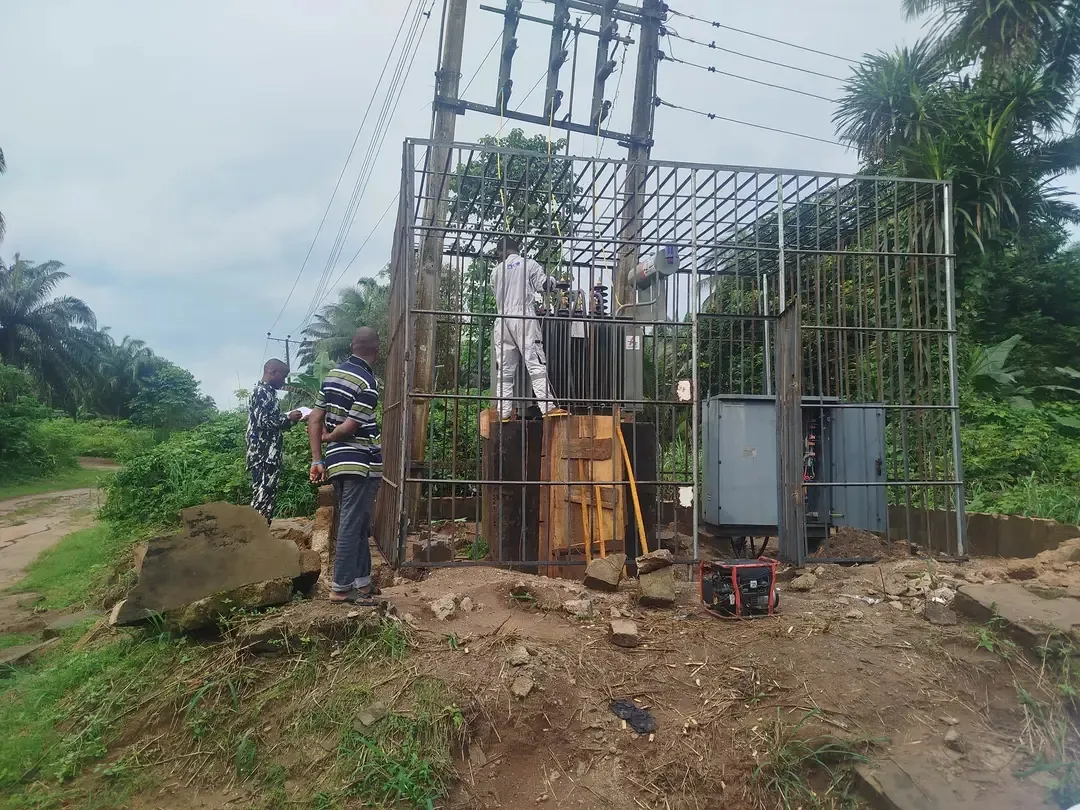
Projects and public initiatives are part of the wider effort to improve the environment in which residents live, work, learn and build their futures.

The work of development is ongoing, shaped by changing needs and by the people who live within the communities of Nsit Ibom.

CLANS AND WARDS

Two Clans. Eleven Wards. One Council.

Nsit Ibom is made up of two clans, Asang and Mbiaso, which give the wards their names. Each ward elects a councillor to the Nsit Ibom Legislative Council.

DEVELOPMENT & OPPORTUNITY

Building on What We Have

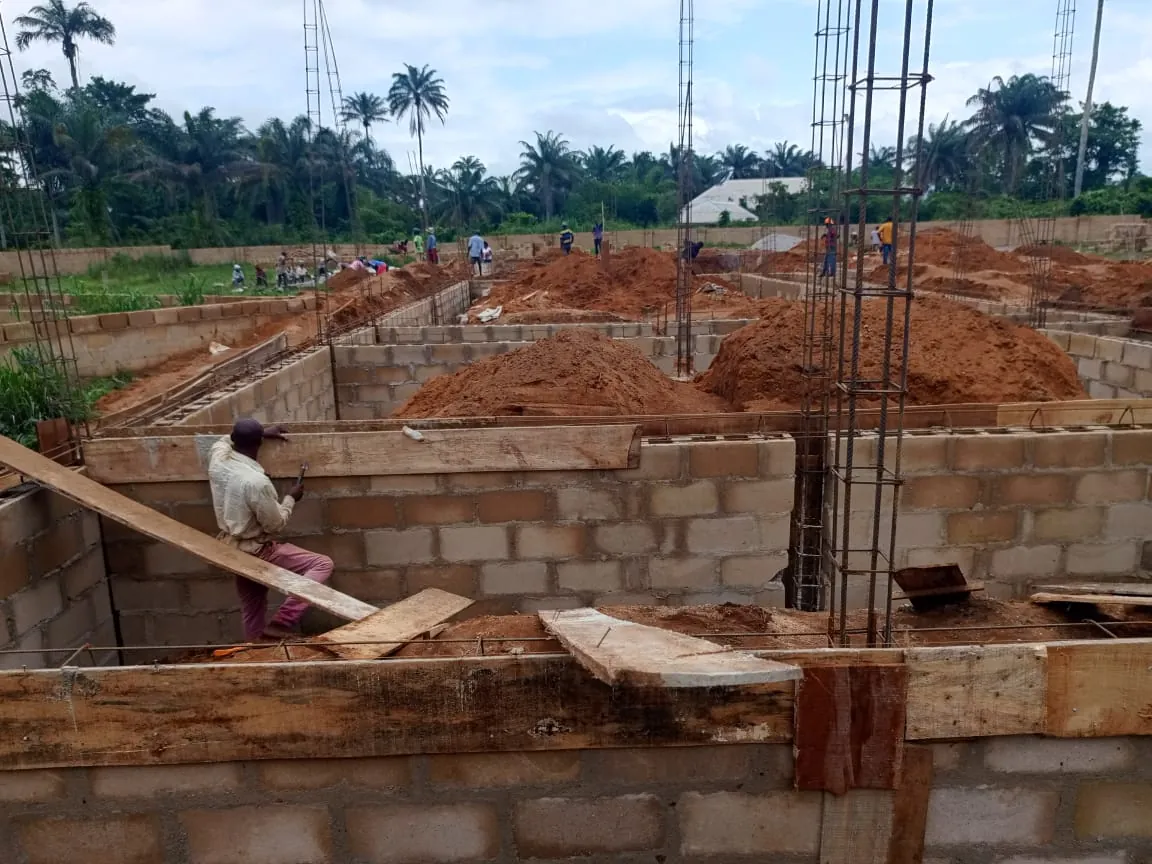
The skills acquisition centre under construction in Ikot Obio Etan

Development begins with understanding what already exists.

Nsit Ibom has communities with agricultural potential, cultural heritage, human capital and institutions that can contribute to its future.

The opportunity is to build on these foundations through responsible administration, useful infrastructure, stronger services, education, enterprise and meaningful community participation.

OUR IDENTITY

More Than a Place on a Map

Nsit Ibom is more than an administrative name.

It is a collection of communities, memories, families, institutions and aspirations.

Its identity is carried by the people who live here, the traditions they preserve, the work they do and the future they continue to build.

A woman of Nsit Ibom in traditional attire

LOOKING AHEAD

A Shared Future

The future of Nsit Ibom is being planted today, on its farms and in its schools, health centres and wards.

Through the Arise model farms, empowerment programmes and better public facilities, the Council is investing in what communities need to grow.

That future belongs to everyone who lives here. The Council will keep listening, in every ward and through Citizens Connect, so that what is built reflects what the people of Nsit Ibom ask for.

NSIT IBOM

A Place Shaped by Its People.A Heritage Carried Forward.A Community Building Its Future.